The Shark Tank Rejection That Launched a Million-Dollar Empire
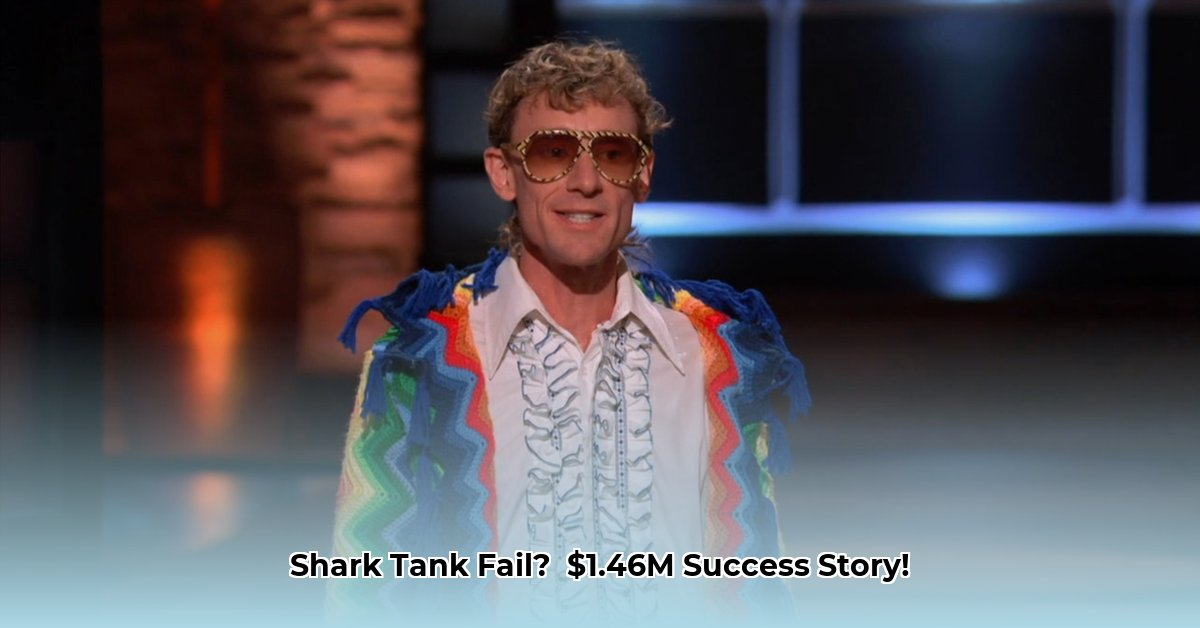
Remember Lord Von Schmitt, the sustainable fashion brand known for its vibrant, handcrafted crochet clothing? Their Shark Tank appearance ended in a "no," a rejection that seemed to seal their fate. Yet, against all odds, this setback propelled Schuyler Ellers' business to a remarkable $1.46 million net worth. This isn't just a rags-to-riches story; it's a masterclass in resilience, smart marketing, and building a thriving ethical brand. For more on Shark Tank success stories, see this other example.
A Pivotal "No" on Shark Tank
Lord Von Schmitt’s Shark Tank pitch, while showcasing beautiful, ethically-made pieces and a commitment to environmental responsibility, ultimately failed to secure investment. However, this rejection proved to be a powerful catalyst. The national television exposure, ironically, became their greatest asset.
Post-Shark Tank: An Explosive Surge in Sales
The aftermath of the Shark Tank appearance was nothing short of explosive. Millions of viewers discovered Lord Von Schmitt's unique designs, leading to a massive influx of orders. Their Etsy shop saw a phenomenal surge, exceeding 3,500 units sold – a testament to the brand's appeal and the power of targeted marketing. This unexpected boom significantly boosted their net worth and dramatically changed the trajectory of the business. Isn't it fascinating how a "no" can sometimes pave the way to such extraordinary success?
Finding a Niche: Festival Fashion and Beyond
Schuyler Ellers, the founder, cleverly targeted a specific demographic: festival-goers and the LGBTQ+ community. These groups appreciate unique, expressive styles and, importantly, align with Lord Von Schmitt’s values of sustainability and ethical production. This laser focus wasn't just about selling clothes; it was about selling a lifestyle and a commitment to social responsibility. This strategic targeting proved incredibly effective.
The High Cost of Sustainability: Balancing Ethics and Economics
While admirable, ethical and sustainable practices present economic challenges. Lord Von Schmitt's handcrafted creations, using recycled materials and traditional techniques, resulted in high production costs – approximately $30 per item compared to a selling price of roughly $128 for items like parasols. This significantly affected initial profitability, highlighting the tension between ethical production and financial viability. How did they overcome this hurdle? Read on.
Strategic Pricing and Brand Loyalty: A Winning Combination
The higher price point reflects the value proposition – high-quality, ethically made clothing designed to resonate with a specific target demographic. This strategy, coupled with excellent customer service and consistent quality, has fostered strong brand loyalty, which is becoming increasingly important in sustainable fashion. This targeted approach has proven remarkably successful.
The Future of Lord Von Schmitt: Growth and Sustainability
Schuyler Ellers plans to scale the business while maintaining the brand's core principles. He’s exploring strategic partnerships to boost production without sacrificing quality or sustainability. This might involve collaborations with ethical manufacturers or developing slightly more accessible price points through careful material selections. Limited-edition, higher-priced items are also being considered to cater to a more exclusive customer base, potentially widening profit margins while reinforcing the premium aspect of the brand. This carefully planned approach appears poised to ensure continued success.
Financial Summary: A Stellar Trajectory
Here's a glance at Lord Von Schmitt's journey, reflecting both the challenges and impressive successes:
| Aspect | Challenges | Successes |
|---|---|---|
| Production Costs | High costs due to handmade, sustainable materials | Strong brand identity and fiercely loyal customer base |
| Sales | Initially modest; slow growth | Explosive post-Shark Tank sales; significant growth |
| Scalability | Limited capacity for mass production | Exploring strategic partnerships for expansion |
| Profitability | High production costs | Premium pricing strategy; strong profit margins |
| Lord Von Schmitt Net Worth | Initially low | Estimated at a substantial $1.46 million |
Lessons from Lord Von Schmitt: A Triumph Over Adversity
Lord Von Schmitt’s story transcends mere financial success. It's a testament to the power of resilience, strategic thinking, and a deep commitment to ethical production. Their journey, from a Shark Tank rejection to a $1.46 million net worth, is both inspiring and instructive for aspiring entrepreneurs in the sustainable fashion industry and beyond. It proves that staying true to one's values, while adapting strategically to market demands, can lead to remarkable outcomes.
[1] Forbes Business Council. (2024, August 29). 20 Strategies for Balancing Business Sustainability with Profitability. Retrieved from https://www.forbes.com/councils/forbesbusinesscouncil/2024/08/29/20-strategies-for-balancing-business-sustainability-with-profitability/